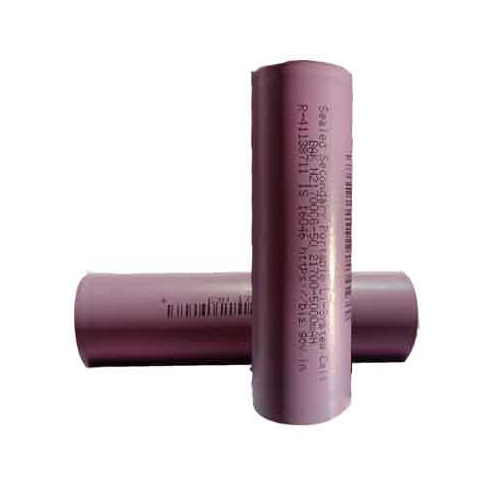
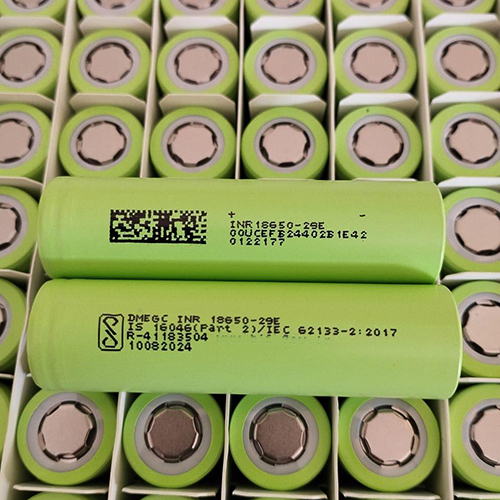
About 5000mah 3.7V 21700 Bak Li-ion Cells
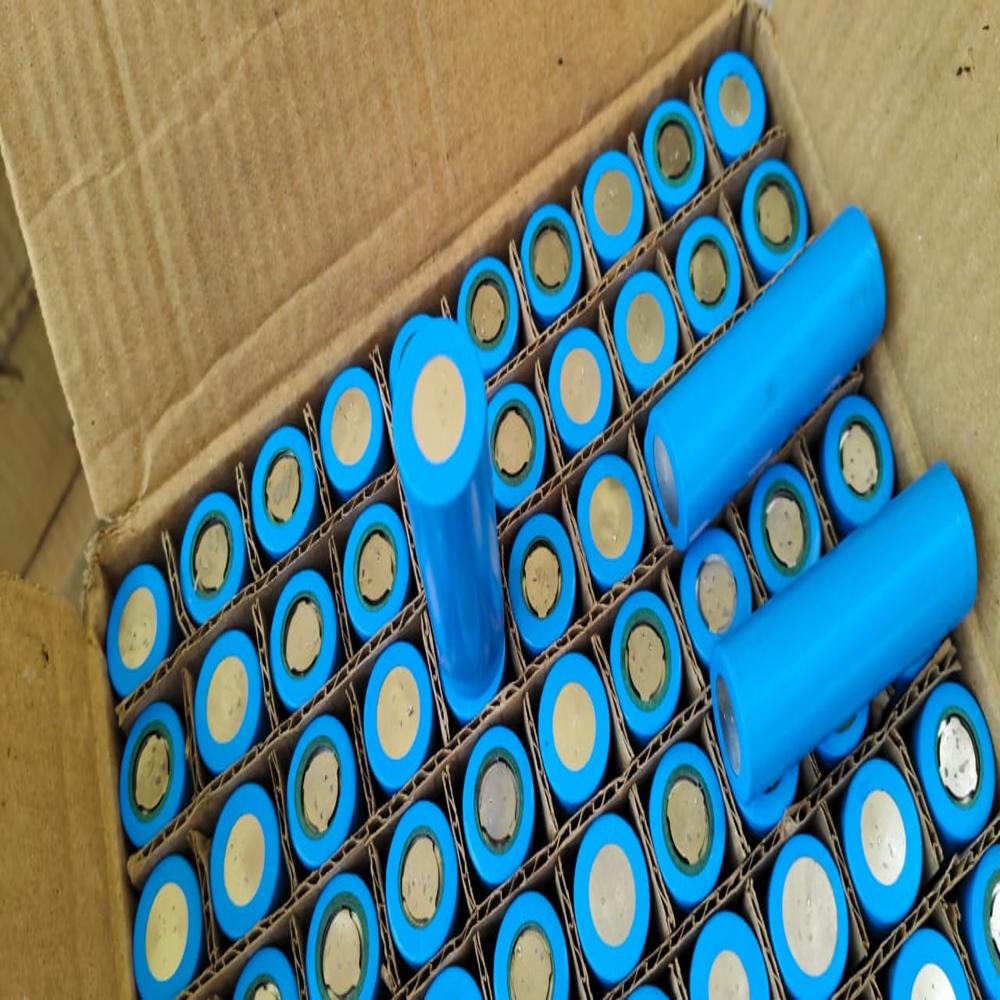
The 5000mAh 3.7V 21700 Bak Li-Ion Cell is a high-capacity rechargeable battery designed for power-intensive applications. It utilizes a lithium nickel manganese cobalt (NCM) cathode for optimal energy density and a graphite anode for enhanced charge efficiency. Manufactured using advanced technologies like automated cell assembly, spot welding, and precision electrolyte filling, key tools include spot welders and battery testers. Commonly used in electric vehicles (EVs), energy storage systems, and high-performance electronics, this cell offers long life, fast charging, and superior reliability, benefiting industries by providing high energy output, sustainable performance, and reduced environmental impact.
High Capacity and Long LifeWith a 5000mAh capacity and up to 1000 cycles at 80% DOD, the 21700 Bak Li-ion cell provides exceptional energy density and extended lifespan. Its stable output voltage and lightweight design make it suitable for both portable and high-drain devices, ensuring consistent and long-term performance in various industrial and consumer applications.
Versatile Usage Across IndustriesThis lithium-ion cell is engineered for versatility, fitting perfectly in devices such as power tools, emergency lights, e-bikes, and energy storage solutions. Its cylindrical 21700 size allows easy integration, while its rechargeable nature supports applications that demand reliable, continuous power in both commercial and personal sectors.
Robust Construction and SafetyHoused in a durable steel casing, the cell is designed for stability and resilience. Although it is an unprotected cell (protection circuit not included), adherence to recommended usage and storage guidelines ensures safe and optimal operation. Suitable for environments ranging from -20C to 60C, the battery maintains efficiency and safety under diverse conditions.
FAQ's of 5000mah 3.7V 21700 Bak Li-ion Cells:
Q: How should I charge the 5000mAh 3.7V 21700 Bak Li-ion cell?
A: It is recommended to charge the cell with a standard charging current of 0.5C (2500mA) and ensure that the charging voltage does not exceed 4.2V. Always use a compatible Li-ion battery charger specifically designed for unprotected cells to maximize battery life and safety.
Q: What are the primary uses for these 21700 Li-ion cells?
A: These cells are commonly used in power tools, e-bikes, flashlights, emergency lighting, and energy storage systems due to their high capacity, long cycle life, and stable output voltage. They are suitable for both personal and commercial applications.
Q: When should I stop discharging the battery to maximize its lifespan?
A: To protect the battery and extend its lifespan, it is important to stop discharging when the voltage drops to its cut-off level of 2.5V. Discharging below this voltage can reduce cycle life and damage the cell.
Q: Where should I store the battery when not in use?
A: It is best to store the battery in a cool, dry place at a temperature between -20C and 25C. Proper storage conditions help maintain battery performance and prolong shelf life, which is typically 2-3 years.
Q: What steps should be followed before installing the cell in a device?
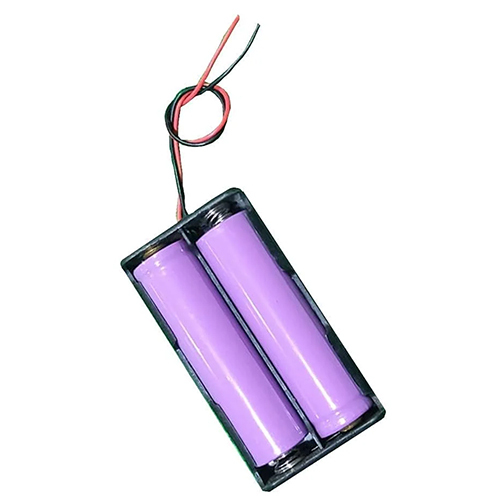
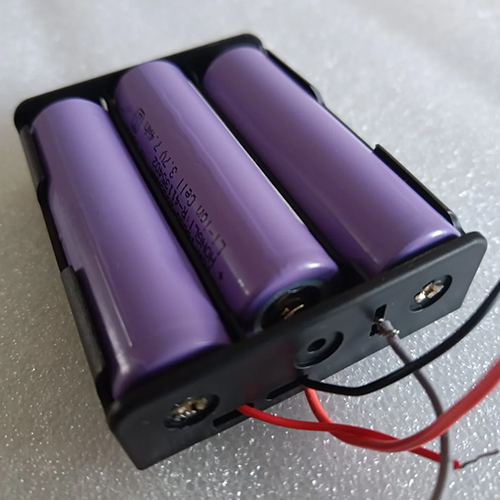
A: Before installation, ensure the device is compatible with unprotected 21700 Li-ion cells, and that it can accommodate the flat top terminal design. Double-check for proper polarity, and consider adding external protection if the device does not provide it.
Q: How does the cell's cycle life benefit the user?
A: The cell supports up to 1000 charge-discharge cycles at 80% depth of discharge, meaning users can expect reliable performance and fewer replacements over time, resulting in cost savings and reduced maintenance.
Q: Is the battery protected against overcharging or short-circuiting?
A: No, this is an unprotected cell, meaning it does not include an internal protection circuit. Users must ensure compatible charging equipment and devices provide appropriate safety features to prevent overcharging, over-discharging, and short circuits.






 Send Inquiry

 Send Inquiry
 Send Inquiry
 Send SMS